**Samsung Tests Blazing 200W Phone Charging Tech, Promises Full Power in Minutes**
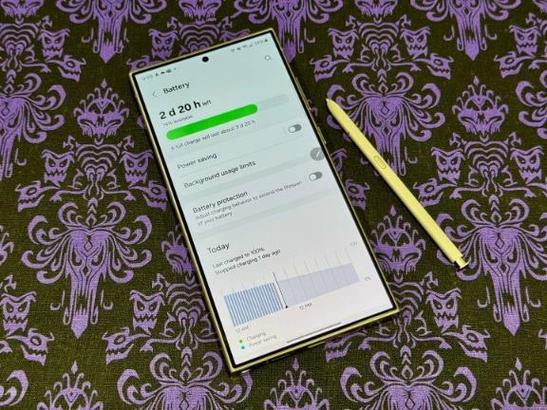
(The Future of Fast Charging: Samsung’s 200W Technology Tested)
SEOUL, SOUTH KOREA – Samsung Electronics is pushing phone charging speeds to new heights. The company is actively testing 200-watt fast charging technology. This technology could drastically reduce how long phones take to charge.
Current Samsung phones top out at much lower speeds. Think 45W for the Galaxy S series. This new 200W system is a huge jump. Lab tests show phones reaching a full charge incredibly fast. We are talking minutes, not hours.
This speed boost comes from advancements in multiple areas. Better battery chemistry is key. More efficient charging circuits are also vital. Improved heat management solutions play a big part too. Handling the heat generated by such rapid charging is a major challenge.
Faster charging means more convenience for users. Imagine topping up your phone while grabbing a quick coffee. Forget overnight charging; a few minutes plugged in could give hours of use. This is the potential of 200W charging.
Samsung faces real-world hurdles before launch. Keeping phones cool during ultra-fast charging is critical. Heat damages batteries over time. The company must ensure safety and battery health. Long-term reliability is non-negotiable.
Industry watchers see this as Samsung keeping pace with rivals. Other brands are exploring similar high-wattage solutions. The race for the fastest charge is heating up. Samsung’s move signals its commitment to leading in this area.
The exact launch date for phones featuring 200W charging remains unknown. Samsung is still perfecting the tech. Real-world performance outside labs needs confirmation. Consumers should not expect it in the next Galaxy S model. It likely arrives later.
(The Future of Fast Charging: Samsung’s 200W Technology Tested)
This development points to a future where charging anxiety fades. Waiting hours for a phone to charge could become outdated. Samsung’s 200W push brings that future closer. It marks a significant step forward for smartphone technology.