1. Molecular Basis and Practical Device
1.1 Protein Chemistry and Surfactant Habits

(TR–E Animal Protein Frothing Agent)
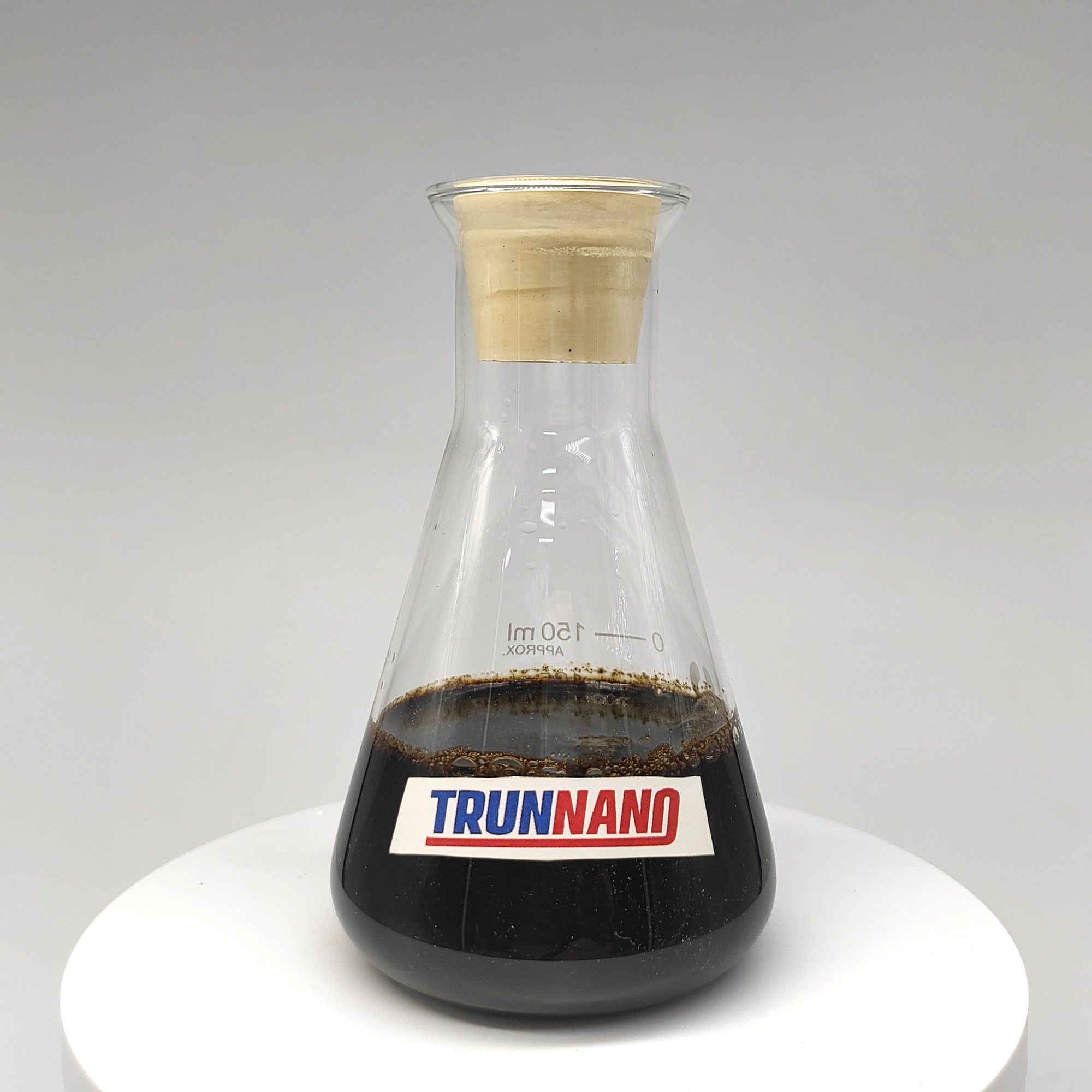
TR– E Animal Protein Frothing Agent is a specialized surfactant originated from hydrolyzed pet healthy proteins, mostly collagen and keratin, sourced from bovine or porcine by-products processed under regulated enzymatic or thermal problems.
The agent operates via the amphiphilic nature of its peptide chains, which have both hydrophobic amino acid residues (e.g., leucine, valine, phenylalanine) and hydrophilic moieties (e.g., lysine, aspartic acid, glutamic acid).
When introduced into a liquid cementitious system and based on mechanical frustration, these protein molecules move to the air-water user interface, lowering surface area tension and stabilizing entrained air bubbles.
The hydrophobic sectors orient towards the air stage while the hydrophilic areas remain in the liquid matrix, creating a viscoelastic film that stands up to coalescence and water drainage, consequently lengthening foam security.
Unlike artificial surfactants, TR– E gain from a facility, polydisperse molecular framework that enhances interfacial elasticity and provides superior foam strength under variable pH and ionic stamina problems common of cement slurries.
This all-natural healthy protein architecture enables multi-point adsorption at interfaces, creating a durable network that sustains penalty, consistent bubble dispersion vital for lightweight concrete applications.
1.2 Foam Generation and Microstructural Control
The efficiency of TR– E hinges on its capacity to produce a high volume of steady, micro-sized air gaps (generally 10– 200 µm in size) with narrow dimension distribution when incorporated right into concrete, plaster, or geopolymer systems.
Throughout mixing, the frothing agent is introduced with water, and high-shear blending or air-entraining devices introduces air, which is after that maintained by the adsorbed protein layer.
The resulting foam framework considerably lowers the thickness of the last compound, enabling the manufacturing of lightweight products with thickness ranging from 300 to 1200 kg/m FIVE, relying on foam volume and matrix structure.
( TR–E Animal Protein Frothing Agent)
Crucially, the harmony and stability of the bubbles imparted by TR– E reduce partition and bleeding in fresh mixtures, boosting workability and homogeneity.
The closed-cell nature of the maintained foam also enhances thermal insulation and freeze-thaw resistance in hardened items, as isolated air gaps disrupt warm transfer and suit ice development without splitting.
Moreover, the protein-based film exhibits thixotropic behavior, preserving foam honesty during pumping, casting, and treating without excessive collapse or coarsening.
2. Manufacturing Process and Quality Control
2.1 Basic Material Sourcing and Hydrolysis
The production of TR– E begins with the option of high-purity animal by-products, such as conceal trimmings, bones, or plumes, which undertake strenuous cleansing and defatting to eliminate natural pollutants and microbial load.
These raw materials are after that subjected to controlled hydrolysis– either acid, alkaline, or enzymatic– to break down the complicated tertiary and quaternary structures of collagen or keratin into soluble polypeptides while preserving useful amino acid sequences.
Enzymatic hydrolysis is liked for its uniqueness and mild problems, reducing denaturation and keeping the amphiphilic equilibrium critical for foaming performance.
( Foam concrete)
The hydrolysate is filteringed system to remove insoluble deposits, concentrated through dissipation, and standardized to a constant solids content (usually 20– 40%).
Trace steel web content, specifically alkali and heavy steels, is checked to make certain compatibility with concrete hydration and to avoid premature setting or efflorescence.
2.2 Solution and Performance Screening
Final TR– E solutions may include stabilizers (e.g., glycerol), pH barriers (e.g., sodium bicarbonate), and biocides to avoid microbial deterioration during storage space.
The item is typically supplied as a thick fluid concentrate, needing dilution before use in foam generation systems.
Quality assurance includes standardized tests such as foam growth ratio (FER), specified as the volume of foam generated per unit quantity of concentrate, and foam stability index (FSI), measured by the rate of fluid water drainage or bubble collapse over time.
Efficiency is likewise assessed in mortar or concrete tests, evaluating parameters such as fresh density, air web content, flowability, and compressive stamina development.
Batch uniformity is made certain with spectroscopic evaluation (e.g., FTIR, UV-Vis) and electrophoretic profiling to validate molecular integrity and reproducibility of lathering actions.
3. Applications in Construction and Product Scientific Research
3.1 Lightweight Concrete and Precast Aspects
TR– E is commonly used in the manufacture of autoclaved oxygenated concrete (AAC), foam concrete, and light-weight precast panels, where its reliable lathering action allows specific control over thickness and thermal residential properties.
In AAC production, TR– E-generated foam is mixed with quartz sand, cement, lime, and aluminum powder, then cured under high-pressure steam, causing a mobile framework with superb insulation and fire resistance.
Foam concrete for floor screeds, roofing system insulation, and gap loading benefits from the convenience of pumping and placement enabled by TR– E’s steady foam, lowering architectural lots and product intake.
The agent’s compatibility with numerous binders, consisting of Portland concrete, combined concretes, and alkali-activated systems, expands its applicability throughout lasting building and construction innovations.
Its capacity to maintain foam stability during expanded positioning times is especially useful in massive or remote construction projects.
3.2 Specialized and Arising Uses
Beyond standard building and construction, TR– E locates use in geotechnical applications such as light-weight backfill for bridge abutments and tunnel linings, where minimized lateral earth pressure stops architectural overloading.
In fireproofing sprays and intumescent finishes, the protein-stabilized foam contributes to char formation and thermal insulation during fire direct exposure, boosting passive fire protection.
Study is exploring its duty in 3D-printed concrete, where controlled rheology and bubble stability are important for layer bond and shape retention.
Additionally, TR– E is being adjusted for usage in soil stablizing and mine backfill, where lightweight, self-hardening slurries enhance safety and decrease environmental impact.
Its biodegradability and reduced toxicity compared to artificial lathering representatives make it a favorable choice in eco-conscious building methods.
4. Environmental and Performance Advantages
4.1 Sustainability and Life-Cycle Effect
TR– E stands for a valorization path for pet handling waste, transforming low-value byproducts right into high-performance building and construction additives, thereby supporting round economic climate principles.
The biodegradability of protein-based surfactants decreases long-lasting environmental determination, and their low water toxicity decreases eco-friendly threats throughout manufacturing and disposal.
When incorporated right into structure materials, TR– E contributes to energy performance by enabling light-weight, well-insulated frameworks that minimize home heating and cooling down demands over the building’s life cycle.
Compared to petrochemical-derived surfactants, TR– E has a lower carbon impact, particularly when created making use of energy-efficient hydrolysis and waste-heat recuperation systems.
4.2 Efficiency in Harsh Conditions
Among the vital advantages of TR– E is its security in high-alkalinity settings (pH > 12), common of concrete pore services, where lots of protein-based systems would denature or lose performance.
The hydrolyzed peptides in TR– E are selected or changed to resist alkaline degradation, making sure constant foaming performance throughout the setup and treating stages.
It likewise does dependably across a series of temperatures (5– 40 ° C), making it suitable for use in diverse weather problems without requiring warmed storage space or ingredients.
The resulting foam concrete shows boosted sturdiness, with decreased water absorption and improved resistance to freeze-thaw cycling as a result of maximized air void structure.
Finally, TR– E Pet Protein Frothing Agent exemplifies the integration of bio-based chemistry with advanced construction materials, using a sustainable, high-performance option for lightweight and energy-efficient building systems.
Its continued growth supports the transition toward greener facilities with lowered environmental influence and boosted useful performance.
5. Suplier
Cabr-Concrete is a supplier of Concrete Admixture with over 12 years of experience in nano-building energy conservation and nanotechnology development. It accepts payment via Credit Card, T/T, West Union and Paypal. TRUNNANO will ship the goods to customers overseas through FedEx, DHL, by air, or by sea. If you are looking for high quality Concrete Admixture, please feel free to contact us and send an inquiry.
Tags: TR–E Animal Protein Frothing Agent, concrete foaming agent,foaming agent for foam concrete
All articles and pictures are from the Internet. If there are any copyright issues, please contact us in time to delete.
Inquiry us