Scientists have developed a new method to produce ultra-pure alkali metals using boron nitride ceramic crucibles. These metals are key parts in building atomic clocks, which keep time with extreme accuracy. Traditional containers often react with the hot metal, adding impurities. Boron nitride does not react, so it keeps the metal clean.
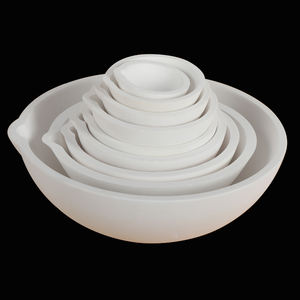
(Boron Nitride Ceramic Crucibles for Melting High Purity Alkali Metals for Atomic Clocks)
Boron nitride is a special material. It can handle very high temperatures without breaking down. It also resists chemical attacks from molten alkali metals like cesium and rubidium. This makes it ideal for use in labs where purity matters most. The crucibles made from this ceramic help researchers get better results in their experiments.
Atomic clocks rely on the steady vibrations of atoms. Any contamination in the metal used can throw off these vibrations. That leads to less accurate timekeeping. Using boron nitride crucibles cuts down on this risk. The metal stays pure from start to finish.
Manufacturers have started making these crucibles in larger numbers. Demand is growing because more industries need precise timing. Space missions, telecom networks, and scientific research all depend on atomic clocks. Better crucibles mean better clocks.
The process to make the crucibles is now more efficient. Engineers shaped the boron nitride into strong, heat-resistant containers. They tested them under real lab conditions. The results showed almost no metal loss or contamination. Labs that switched to these crucibles reported cleaner melts and fewer failed runs.
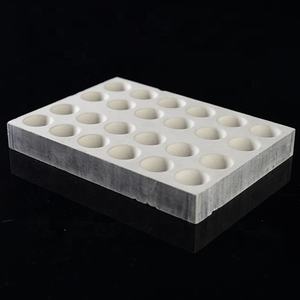
(Boron Nitride Ceramic Crucibles for Melting High Purity Alkali Metals for Atomic Clocks)
This advance supports progress in quantum technology and navigation systems. It also helps reduce waste in metal production. Researchers say the new crucibles are a simple but powerful upgrade. They expect wider adoption in the coming months as more suppliers offer them.