Boron nitride ceramic discs are now available for use in vacuum feedthrough conductors that handle high current electrical connections. These discs offer strong performance where traditional materials fall short. They work well in extreme environments with high heat and strong electrical demands.
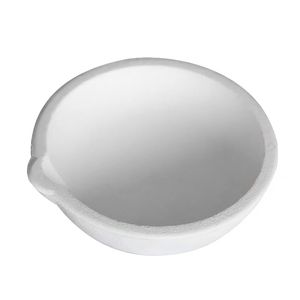
(Boron Nitride Ceramic Discs for Vacuum Feedthrough Conductors for High Current Electrical Connections)
The new boron nitride discs keep their shape and strength even at very high temperatures. They do not melt or break down easily. This makes them ideal for use inside vacuum chambers where stable electrical flow is critical. Their design allows for safe and steady transfer of large amounts of current without risk of failure.
Manufacturers choose these discs because they resist thermal shock and do not conduct electricity themselves. This combination helps prevent short circuits and improves safety. The material also stays clean under vacuum conditions, which reduces contamination risks in sensitive systems.
These ceramic discs fit standard feedthrough setups. Users can install them without major changes to existing hardware. That saves time and cuts costs during system upgrades or repairs. Engineers report fewer maintenance issues after switching to boron nitride components.
Industries like semiconductor manufacturing, aerospace, and research labs benefit most from this technology. Their equipment often runs under high stress and needs reliable parts that last. Boron nitride meets those needs better than many older options.
Suppliers are now shipping these discs in a range of sizes to match different applications. Custom options are also possible for special setups. Lead times are short, and quality checks are strict to ensure every disc performs as expected.
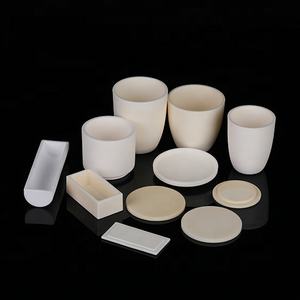
(Boron Nitride Ceramic Discs for Vacuum Feedthrough Conductors for High Current Electrical Connections)
Demand for dependable high-current solutions continues to grow. Boron nitride ceramic discs give engineers a solid choice that works well today and into the future.